 Login
Login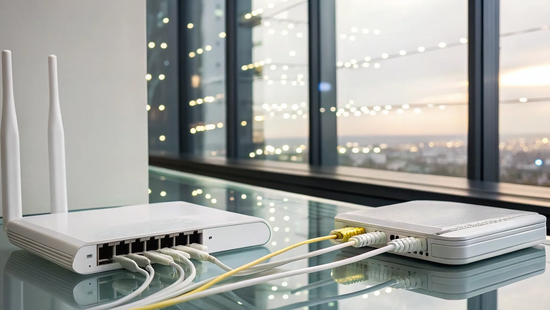
In a busy home, the internet is the unsung hero holding everything together. But when one person’s video call causes another’s game to lag, that hero needs a little help. This is where the conversation about 1gb vs 2gb internet speed becomes crucial for families. Think of your bandwidth like lanes on a highway; a 1 Gbps plan provides a wide, clear road for most household traffic. A 2 Gbps plan adds an express lane for homes where digital rush hour is a constant state. We’ll explore how each speed handles the real-world demands of multiple 4K streams, online classes, and competitive gaming, helping you find the right solution to keep your entire household connected and happy.
Key Takeaways
- 1 Gbps is the perfect fit for most homes: This speed comfortably supports a busy household where multiple people are streaming, gaming, and working from home, providing a seamless experience without paying for unnecessary power.
- 2 Gbps is for specific, high-demand users: Consider this plan only if you are a professional content creator, run a home server, or have a very large household where multiple people are constantly performing data-heavy tasks at once.
- Your hardware can be a bottleneck: To actually get speeds over 1 Gbps, your router, computer, and Ethernet cables must be multi-gig compatible; otherwise, your equipment will limit your speed, not your internet plan.
1 Gbps vs. 2 Gbps: Which Speed Do You Really Need?
Choosing an internet plan can feel a lot like trying to order coffee from a menu with a million options. When you see terms like "1 Gbps" and "2 Gbps," it's easy to wonder if you really need all that power. The truth is, the right speed for you depends entirely on how you and your household use the internet. Let's break down what these speeds actually mean for your daily life, so you can pick the perfect plan with confidence.
What Do "1 Gbps" and "2 Gbps" Actually Mean?
First, let's get the technical terms out of the way. "Gbps" stands for gigabits per second, which is a measure of internet speed. A 1 Gbps plan gives you a speed of 1,000 megabits per second (Mbps), while a 2 Gbps plan doubles that to 2,000 Mbps. Think of it like a highway: a 1 Gbps plan is a wide, multi-lane highway, and a 2 Gbps plan is that same highway with twice the number of lanes. Both are incredibly fast, but the 2 Gbps plan allows much more data to travel at once without causing a traffic jam. When you browse different internet plans, this bandwidth capacity is the main difference you'll see.
What 1 Gbps Feels Like in Daily Use
For most homes, even those with a lot of connected devices, a 1 Gbps plan is more than enough to keep everyone happy. This speed can easily handle multiple people streaming 4K movies, working from home on video calls, and gaming online simultaneously. For perspective, streaming a 4K movie only uses about 25-40 Mbps, a tiny fraction of the 1,000 Mbps available. For online gaming, the most important factor is low latency (or lag), which is a core benefit of fiber internet, not just raw speed. With 1 Gbps, your connection will feel instant and seamless for all your everyday activities.
What 2 Gbps Feels Like in Daily Use
So, who is a 2 Gbps plan for? This speed is designed for the ultimate power users and tech-heavy households. If your home has a dozen or more people connecting with multiple devices each, or if you're a content creator who frequently uploads massive video files, 2 Gbps provides the extra headroom to ensure flawless performance. It’s also a dream for serious gamers who want to download a new 100 GB game in minutes, not hours. This extra capacity gives you more room to grow as you add more smart home gadgets or have more people working and learning from home.
Putting Speeds to the Test: How They Handle Real Life
Speed test results are one thing, but what do these numbers actually feel like when you’re trying to work, stream, or game? The real test of an internet plan isn’t a number on a screen; it’s the seamless, buffer-free experience it provides for your entire household. Both 1 Gbps and 2 Gbps plans from Novos Fiber deliver incredible performance, but the right choice for you depends on how you and your family use the internet every day.
Think of it like lanes on a highway. A 1 Gbps plan is a wide, clear multi-lane highway that’s perfect for most families, easily handling rush hour traffic without slowdowns. A 2 Gbps plan is like having your own private express lane on top of that. It’s designed for homes where the digital traffic is constant and heavy, with multiple people pushing their connections to the limit at the same time. It’s not just about making one device faster; it’s about doubling the total capacity for every phone, laptop, TV, and smart device under your roof. Let’s break down how these speeds perform in real-world scenarios so you can see where your household fits.
For the Binge-Watchers: Streaming in 4K and 8K
There’s nothing worse than a movie getting pixelated right at the climax. With a 1 Gbps fiber connection, your household can easily stream 4K movies on several screens at once without a hint of buffering. It’s more than enough for a family movie night. However, if your home is filled with serious screen-lovers who are all watching their own 4K shows, or if you’ve invested in an 8K TV, that’s where 2 Gbps makes a difference. It provides so much bandwidth that you can stream crystal-clear video on every screen in the house simultaneously. This ensures a perfect picture for everyone, every time, with plenty of power left over.
For the Gamers: Minimizing Latency Across Devices
For gamers, the ultimate goal is a stable connection with low latency, or ping. High download speeds are great, but it’s the responsiveness of the connection that prevents game-losing lag. The good news is that fiber internet is naturally built for low latency. A 1 Gbps plan is more than powerful enough for a flawless gaming experience, even during intense online matches. The reason to consider 2 Gbps isn't to make your game faster, but to protect your connection from everything else happening on your network. It ensures that even if someone starts a massive download or streams in 4K, your latency stays low and your game remains perfectly smooth.
For Remote Workers: Transferring Large Files and Using the Cloud
If your work involves moving large files around, you know the pain of watching a progress bar inch forward. This is where the symmetrical upload speeds of fiber internet truly shine, meaning your uploads are just as fast as your downloads. With a 1 Gbps plan, uploading a massive video project or a folder of high-resolution photos is already impressively fast. With a 2 Gbps plan, it becomes almost instant. For professionals like video editors, architects, and designers, this can save a significant amount of time each day. It makes working with cloud-based programs and using work tools like VPNs feel as if you’re plugged directly into the office server.
For the WFH Pro: Keeping Video Calls Flawless
In the world of remote work, a clear and stable video call is non-negotiable. A frozen screen or garbled audio during an important meeting can be incredibly frustrating. A 1 Gbps plan easily handles multiple people on video calls at the same time, so you don't have to worry about your connection dropping. Upgrading to 2 Gbps is about creating an unbreakable connection for the ultimate work-from-home household. It provides enough bandwidth to ensure your video calls remain flawless, even if your kids are online gaming and your partner is streaming a 4K show in the next room. It’s for the home where multiple high-demand activities are the daily norm.
For the Smart Home: Powering All Your Connected Devices
Your Wi-Fi network is likely busier than you think. From smart speakers and security cameras to thermostats and doorbells, every connected device needs a slice of your internet connection. While a single smart plug doesn’t use much data, the demand adds up quickly. A 1 Gbps plan can comfortably support a home with dozens of smart devices. However, if you’re a tech enthusiast with a fully automated home, including multiple 4K security cameras streaming 24/7 and a home media server, a 2 Gbps plan provides the robust foundation needed to keep everything running smoothly without ever slowing down your primary activities.
How Many Devices Can Each Plan Support?
One of the most practical ways to decide between internet speeds is to think about how many devices will be connected at once in your home. It’s not just about the number of phones and laptops, but also smart TVs, gaming consoles, security cameras, and even smart speakers. Each one takes a small slice of your bandwidth pie. When everyone is online at the same time, those slices add up quickly. Let's look at what you can realistically expect from both 1 Gbps and 2 Gbps plans.
Device Capacity on a 1 Gbps Plan
A 1 Gbps plan is a powerhouse for most busy households. Think of it as the perfect fit for a home with four to seven people, where everyone has their own collection of gadgets. This speed comfortably supports about 10 to 20 devices all actively using the internet at the same time. So, if you’re on a video call in your office, your partner is streaming a 4K movie in the living room, and the kids are battling it out online in their rooms, a 1 Gig connection won’t break a sweat. It’s one of the most popular internet plans for a reason: it provides more than enough speed for the modern, connected family without feeling like overkill.
Device Capacity on a 2 Gbps Plan
Stepping up to 2 Gbps is for homes that are running a small data center's worth of devices. This is the top-tier option for extreme performance, designed for households with seven or more people or anyone with a serious tech habit. A 2 Gig plan can handle more than 20 devices all demanding significant bandwidth simultaneously. This is ideal for a home where multiple people are content creators, serious gamers, or running a business with heavy data needs. If your network regularly supports a dozen or more people and their devices at once, this is your solution. It ensures that even in the most demanding digital households, everyone has a seamless, lag-free experience, which is exactly what we aim to deliver to our community.
Who Genuinely Needs 2 Gbps Internet?
So, who actually benefits from a 2 Gbps connection? While the idea of doubling your speed is exciting, this tier of internet is designed for specific, high-demand users. It’s for the households and home offices where the internet isn’t just a utility, but the absolute backbone of their work and hobbies. Think of it less as a standard upgrade and more as a specialized tool. If you find yourself constantly hitting your bandwidth ceiling or waiting on massive files, you might be in the 2 Gbps club. Let’s break down who truly gets the most out of this powerful connection.
The Power User and Content Creator
If your daily routine involves uploading 4K video files, live-streaming to an audience, or downloading massive game updates, a 2 Gbps plan is for you. This speed is built for creators and tech enthusiasts who move huge amounts of data. With double the capacity of a 1 Gbps plan, a 2 Gig connection can easily support a house full of 12 to 20 connected devices at once without a single hiccup. For competitive gamers, it ensures ultra-low latency, while content creators can see their upload times cut dramatically, giving them more time to create and less time to wait.
The Small Business or Tech-Heavy Home Office
For a small business or a seriously tech-reliant home office, 2 Gbps internet is a game-changer. It provides the bandwidth needed to run multiple cloud-based applications, handle large file transfers with clients, and host crystal-clear video calls simultaneously. This kind of speed ensures your operations run smoothly, even when using data-heavy tools like VPNs or complex design software. As a local provider built on trust, we know that investing in a 2 Gbps plan is also about future-proofing your business, giving you the capacity to handle emerging technologies for years to come.
When is 1 Gbps the Perfect Fit?
Honestly, for most homes, a 1 Gbps plan is the perfect fit. Even in a busy household where one person works from home, another is gaming online, and a few 4K movies are streaming, 1 Gbps provides more than enough speed. To put it in perspective, streaming a 4K movie only uses about 25-40 Mbps. A 1 Gbps plan offers plenty of headroom for the vast majority of families and remote workers. Our internet plans are designed to give you incredible performance without paying for speed you won’t use, and for most people, 1 Gbps is the sweet spot.
Do You Have the Right Gear for 2 Gbps?
Signing up for a blazing-fast 2 Gbps internet plan is the first step, but it’s not the last. To actually experience those multi-gig speeds, your home network equipment needs to be up to the task. Think of it like this: you can have the most powerful engine in the world, but if the car has bicycle tires, you’re not going anywhere fast. Many people find their internet speed is limited not by their plan, but by a bottleneck created by their own hardware.
Before you make the switch, it’s smart to do a quick audit of your current setup. The main players in your home network are your router, your computer’s hardware, the cables connecting everything, and your Wi-Fi capabilities. Ensuring each of these components can handle multi-gig speeds is the key to getting the performance you’re paying for. Taking a moment to check your gear will ensure you get the full benefit of the powerful fiber internet plans we offer. Let’s walk through what you need to look for.
Your Router: Is It Ready for an Upgrade?
Your router is the traffic director for your entire home network, and it’s often the first bottleneck. Most standard routers, even those just a few years old, come with 1 Gbps Ethernet ports. If your router’s ports are capped at 1 Gbps, it simply cannot pass along a faster speed to your devices, no matter what your internet plan is.
To use a 2 Gbps plan, you need a router with at least one 2.5 Gbps or 10 Gbps WAN port (this is the port that receives the internet signal). You’ll also want corresponding multi-gig LAN ports to deliver those speeds to your wired devices. When you sign up with Novos Fiber, we provide the right equipment, but if you’re using your own, check its technical specifications for multi-gig ports. If you need help, our local support team is always here to answer questions.
Your Computer: Checking Network Cards and Ports
So, you have a 2 Gbps plan and a multi-gig router. The next link in the chain is your computer itself. To get speeds over 1 Gbps on a single device, you must connect it directly to the router with an Ethernet cable. That’s because, as we’ll cover below, Wi-Fi has its own limitations.
Beyond just plugging it in, your computer’s network port must also be able to handle the speed. Most laptops and desktops come standard with a 1 Gbps Ethernet port. To see a full 2 Gbps on a speed test, your machine needs a 2.5 Gbps or 10 Gbps LAN port, which is usually found on high-end gaming PCs or workstations. You can check your computer’s specs or look up the model number to see what kind of network card it has.
Your Cables: Why They Matter More Than You Think
This is one of the easiest and most affordable things to get right, but it’s also one of the most overlooked. The Ethernet cables connecting your modem, router, and computer are the physical pathways for your data. If they aren’t rated for high speeds, they’ll slow you down.
For any speed over 1 Gbps, you should use Cat6 or better Ethernet cables. Older Cat5e cables are only rated for up to 1 Gbps and can’t reliably carry a 2 Gbps signal. Take a look at the fine print on the side of your cables. If you see "Cat5e" or nothing at all, it’s time for an upgrade. High-quality Cat6 or Cat6a cables are inexpensive and ensure your physical connections aren’t holding you back from the speed you deserve.
Your Wi-Fi: Understanding Wireless Speed Limits
It’s important to set realistic expectations for Wi-Fi. While a 2 Gbps plan dramatically improves your home’s overall wireless capacity, you likely won’t see 2 Gbps on a speed test from a single phone or laptop. Even with the latest Wi-Fi 6 and Wi-Fi 6E technology, real-world wireless speeds for a single device typically top out around 1.2 Gbps due to signal interference, distance from the router, and the capabilities of the device itself.
So, what’s the point? The true benefit of a 2 Gbps plan for Wi-Fi is the massive amount of available bandwidth for all your devices combined. It means your partner can be on a 4K video call, your kids can be gaming online, and you can be downloading huge files, all without anyone’s connection sputtering. It’s about creating a robust network that can handle dozens of devices at once, which is a core part of our commitment to providing a truly fast and reliable experience.
Calculating the True Cost of Upgrading to 2 Gbps
When you're looking at internet plans, it's easy to focus on the monthly price tag. But the true cost of upgrading, especially to a powerhouse plan like 2 Gbps, goes beyond that number. You also have to consider whether you'll need new hardware and if your current setup can even handle that much speed. Before you make the leap, let's break down all the factors so you can see the full picture and decide if the investment is truly worth it for your home.
Comparing the Monthly Plan Prices
First, let's talk about the most obvious cost: the monthly bill. A 2 Gbps plan will naturally cost more than a 1 Gbps plan. While the idea of doubling your speed is tempting, it's important to be realistic about your needs. For most households, even those with a remote worker and a serious gamer, a 1 Gbps connection is more than enough to keep everything running smoothly. Sticking with a plan that matches your actual usage is a simple way to save money every month without sacrificing the performance you rely on. You can check out the different internet plans we offer to see the price difference for yourself.
The Hidden Cost of New Equipment
Here’s something many people don't realize: signing up for 2 Gbps speed doesn't automatically give you 2 Gbps speed on your devices. To actually use that much bandwidth, your home network needs to be up to the task. This often means buying new, specialized equipment. You'll likely need a router that supports multi-gig speeds, and your computer will need a direct, wired connection using a special network port (like a 2.5Gb or 10Gb port). Most standard routers and laptops, especially older models, can't process speeds over 1 Gbps. This hidden cost of upgrading your gear can add up quickly.
Identifying Your Real Internet Bottleneck
Before you upgrade, it's smart to figure out what's actually slowing you down. Often, the bottleneck isn't your internet plan. For one, the servers you're downloading from (think game updates from Steam or files from Google Drive) rarely send data to a single user at 2 Gbps. They have their own limits. More commonly, the slowdown is happening inside your own home. Your Wi-Fi signal strength, an older router, or even outdated cables can be the real culprits. As your local internet provider, we want to make sure you're paying for speed you can actually use, so checking your internal network first is always a good idea.
Is Upgrading to 2 Gbps Worth It for You?
So, you’re looking at internet plans and see the option for a blazing-fast 2 Gbps connection. The temptation is real. After all, who doesn’t want the fastest speed available? But before you jump to the highest tier, it’s worth asking: is that extra speed something you’ll actually use, or are you paying for power you don’t need? The truth is, both 1 Gbps and 2 Gbps fiber internet are incredibly fast, and the right choice for you depends entirely on how you and your household use the internet.
Making the right call is about understanding your unique digital life. Are you a family of five streaming on every screen, a professional content creator uploading massive files, or a small business running cloud-based operations? Each scenario has different demands. Think of it like buying a car. A sports car is thrilling, but a reliable SUV might be a better fit for daily life. To help you decide, let’s break down some common myths about internet speed, look at how other factors affect your connection, and give you a clear guide on when to make the switch to a multi-gig plan.
Common Myths About Internet Speed
One of the biggest myths is that you’ll feel a dramatic, day-and-night difference when upgrading from 1 Gbps to 2 Gbps for everyday tasks. For many people, that’s simply not the case. Activities like streaming Netflix in 4K, browsing social media, and joining video calls don’t even come close to using the full capacity of a 1 Gbps connection. As a result, many users who upgrade report not noticing a real difference in their daily routine.
Often, the real slowdown isn’t your internet plan but the hardware in your home. Your Wi-Fi router, the network card in your computer, and even the cables you use can create a bottleneck that prevents you from experiencing true multi-gig speeds.
Why the Website You're Visiting Matters, Too
Here’s something most people don’t consider: your internet connection is only half of the speed equation. The server you are connecting to on the other end plays a huge role. Think of it this way: your 2 Gbps plan is like a massive, multi-lane highway. But if you’re downloading a file from a server that’s only sending data through a single-lane exit ramp, your speed will be limited by the server, not your connection.
Most websites, game servers, and cloud storage services are not yet equipped to send data at speeds consistently over 1 Gbps. So, even if you have a 2 Gbps plan, your actual download speed will often top out at whatever the server can handle.
The Final Verdict: When to Make the Switch
So, how do you know which plan is right for you? It comes down to identifying your user profile.
A 1 Gbps plan is likely the perfect fit if: You have a busy household with multiple people streaming, gaming, and working from home. It’s more than enough for a family with 10 to 15 connected devices, including smart home gadgets, and for downloading large files without a hitch. For the vast majority of homes and even small businesses, 1 Gbps provides a seamless, powerful experience.
You should consider a 2 Gbps plan if: You’re a true power user. This includes professionals who work with massive, uncompressed video files, households running their own servers, or homes with multiple, simultaneous heavy users all downloading multi-gigabyte files at the same time. If your work or hobbies involve pushing huge amounts of data constantly, then you’ll feel the benefit of a 2 Gbps connection.
Ultimately, the best plan is the one that matches your needs. You can explore our internet plans to find the one that works for your home or business.
Find Your Perfect Novos Fiber Plan
Choosing an internet plan can feel a little like ordering coffee in a new cafe. With so many options, how do you know which one is right for you? Let’s break down our fiber internet plans so you can find the perfect fit for your home without overpaying for speed you don’t need.
For the vast majority of households, our 1 Gbps plan is the sweet spot. This isn't just a starter plan; it's a powerhouse. It provides more than enough speed for a busy family to stream 4K movies, game online, and work from home all at the same time. In fact, 1 Gbps is an ideal choice for about 99% of homes, easily handling dozens of connected devices without breaking a sweat. You can explore all of our services to see how this plan fits your budget.
So, who actually needs a 2 Gbps plan? This tier is designed for true power users. Think of households where multiple people are professional content creators, transferring massive video files daily, or running a home server. As some experts point out, you might consider 2 Gbps if you run a server or work with massive uncompressed video files in real-time. For most people, however, the difference in everyday performance isn't always noticeable enough to justify the extra cost.
Before you decide to go for the highest speed, it's also smart to consider your own equipment. Sometimes, the real bottleneck isn't your internet plan but an older router. Investing in quality networking gear can often give you a better experience than paying for a 2 Gbps plan you won't fully use. Our advice? Start with 1 Gbps. It’s a fantastic, high-speed plan that satisfies almost everyone. If your needs change down the road, you can always contact our support team to upgrade.
Frequently Asked Questions
Will upgrading to 2 Gbps stop my movies from buffering? For most people, a 1 Gbps plan already provides more than enough speed to eliminate buffering. A single 4K movie stream uses only a tiny fraction of that bandwidth, so if you're still seeing buffering, the issue is more likely your Wi-Fi signal or an older router, not your internet plan. A 2 Gbps plan is really for homes where many people are all streaming in 4K on different devices at the exact same time, creating a huge, constant demand for data.
I'm a serious gamer. Is a 2 Gbps plan necessary for me to win? Not necessarily. For gaming, the most critical factor is low latency (or ping), which is a natural benefit of fiber internet on any plan. A 1 Gbps connection provides all the speed and low latency you need for a perfectly smooth gaming experience. The main reason a gamer might choose 2 Gbps is to protect their game from other activity in the house. It creates so much extra capacity that your connection remains stable even if someone else starts downloading a huge file.
If I get a 2 Gbps plan, will all my devices automatically run faster? Not automatically, no. To get speeds over 1 Gbps on a single device, like your computer, it needs a direct connection to the router with an Ethernet cable. That computer and your router must also have special multi-gig ports that can handle the higher speed. For your wireless devices, the main benefit of a 2 Gbps plan is the increased overall capacity for your whole home, which means dozens of devices can perform well at once without slowing each other down.
Is it worth getting 2 Gbps just to be prepared for the future? While it's smart to think ahead, a 1 Gbps fiber connection is already incredibly forward-thinking and will serve most households well for many years. It provides a huge amount of speed for today's technology and what's coming soon. Instead of paying for speed you may not use for a long time, it's often a better investment to ensure you have a great router and a solid home network. This will give you the best possible experience on the powerful 1 Gbps plan.
So, how can I be sure which plan is right for me? The best way is to honestly assess your household's daily habits. If you have a family that streams, works, and games online, a 1 Gbps plan is almost certainly the perfect choice, offering amazing performance without overpaying. You should only really consider 2 Gbps if you fit into a specific power-user category, like a professional video editor who uploads huge files daily or a home with more than a dozen people all using the internet heavily at the same time.