 Login
Login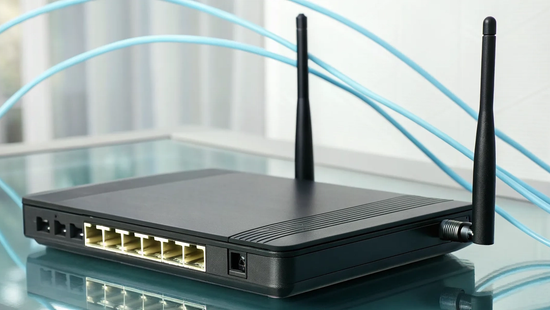
Does your home internet connection start to buckle under pressure? Maybe your work video call freezes when the kids get home and start gaming, or movie night is interrupted by buffering. These are classic signs of a network bottleneck, where your family’s demand for bandwidth is greater than what your plan can supply. A 2.5 Gig internet plan is designed to solve this exact problem by providing a massive data pipeline for your entire household. Before you make the jump, it’s important to understand what you’re getting into. We’ll explore who benefits most from this upgrade and help you evaluate different 2.5 gig internet plans and pricing to see if it’s the right solution for your family’s needs.
Key Takeaways
- A 1 Gig plan is still plenty for most homes: Before upgrading, consider if you're a true power user who frequently moves massive files or has multiple people simultaneously gaming and streaming in 4K. If you don't experience lag now, you likely won't need more speed.
- Read the fine print for true value: A great internet plan is about more than speed; it's about transparency. Look for providers offering symmetrical speeds, no data caps, and no annual contracts to find a plan that's genuinely worth the price without surprise fees.
- Your own gear can be a bottleneck: To actually use multi-gig speeds, your hardware must be compatible. Check that your router and computer have 2.5 Gbps ports, and consider upgrading to Cat6 cables to ensure your home network can handle the speed you're paying for.
What Is 2.5 Gig Internet, and Do You Need It?
As you shop for internet, you’ve probably seen providers advertising multi-gigabit speeds. A 2.5 Gig plan, which offers speeds of 2,500 megabits per second (Mbps), is a popular option that sits between the standard 1 Gig plan and ultra-fast 5 or 10 Gig connections. It’s designed to handle the demands of a hyper-connected home where multiple people are streaming, gaming, and working from home all at once. While these speeds sound impressive, the real question is whether they’re a practical upgrade for your family or just a nice-to-have.
The truth is, the answer depends entirely on how you use the internet. For many households, a 1 Gig connection is already more than enough to keep everything running smoothly. But for others, especially those with specific high-bandwidth needs, a 2.5 Gig plan can make a noticeable difference. Before you decide, it’s helpful to understand what these numbers actually mean for your daily online activities and whether your home is even equipped to handle that much speed. Let's look at how the different internet plans stack up and who really benefits from making the jump to a multi-gig connection.
How 2.5 gig compares to 1 gig and 5 gig speeds
It’s easy to see that 2.5 is bigger than 1, but what does that mean in practice? The key is to think in terms of data transfer rates. A 1 gigabit-per-second (Gbps) connection can download data at around 100 megabytes per second (MB/s). In comparison, a 2.5 Gbps connection can handle about 290 MB/s. This means downloading a huge file, like a new video game or a full 4K movie, would be almost three times faster.
However, for most everyday activities like streaming, the difference is less dramatic. Streaming a 4K movie on Netflix only requires about 25 Mbps. A 1 Gbps connection can technically handle nearly 40 of those streams at the same time without breaking a sweat. So, while 2.5 Gig offers a much larger pipeline for data, you may not notice the difference unless you’re frequently performing tasks that can actually use that extra bandwidth.
Who benefits most from an upgrade
So, who is a 2.5 Gig plan really for? The upgrade makes the most sense for true power users. This includes content creators who regularly upload and download massive video files, tech enthusiasts running home servers, or serious gamers who need the absolute lowest latency possible. It’s also a great fit for large households where multiple people are simultaneously engaged in high-demand activities, like 4K streaming, competitive online gaming, and video conferencing across several devices.
If your current 1 Gig connection feels sluggish because your family is constantly pushing it to its limits, then a 2.5 Gig plan could be a worthwhile investment. It provides more than enough bandwidth to eliminate bottlenecks and ensure everyone has a smooth online experience. However, if your 1 Gig plan handles your daily needs without any issues, you likely won't see a significant change in your day-to-day performance by upgrading.
How the Top 2.5 Gig Plans Compare
When you’re looking for multi-gig internet, the details matter. Price, speed, and contract terms can vary quite a bit between providers. Let's break down what some of the big names offer so you can see how they stack up.
Novos Fiber
As a local Texas provider, our goal is simple: deliver incredibly fast internet with straightforward and honest pricing. Our 2.5 Gig internet plan gives you symmetrical speeds, meaning you get 2,500 Mbps for both downloads and uploads. This is a game-changer for video calls, uploading large files, and live-streaming. The plan is $100 per month, and that’s the real price. We don’t do data caps, annual contracts, or hidden fees. You get the speed you need with the transparency you deserve from a team that’s right here in your community. We believe in providing a reliable connection you can count on, powered by people who care.
Cox
Cox offers a 2 Gig internet plan with download speeds of up to 2,000 Mbps. The pricing starts around $115 per month, which is a promotional rate that comes with a two-year price lock. This can give you some predictability in your monthly bill, though it’s important to know what the price will be after the lock expires. While there’s no annual contract required, the plan focuses on download speeds, which is a key difference from a symmetrical connection where upload speeds match. This is a solid option for users who primarily consume content, but might be less ideal for content creators or remote workers who frequently upload large files.
AT&T
AT&T’s multi-gig offering is a 2 Gig plan they call "Hyper-gig." This plan provides speeds up to 2,000 Mbps and is priced at $155 per month. Like other modern fiber providers, AT&T Fiber comes with no data caps and no annual contract, giving you the freedom to use your internet as much as you want without worrying about overage fees or long-term commitments. While it has received high ratings for perceived value, its monthly price is one of the highest among the major competitors for this speed tier. It’s a strong, reliable service, but the cost is a significant factor to consider when comparing your options.
Google Fiber
Google Fiber provides a 3 Gig plan for $100 per month, making it a powerful contender on both speed and price. This plan is designed for households with serious internet demands, like multiple people working from home, learning online, and gaming at the same time. With 3,000 Mbps speeds, it can handle just about anything you throw at it. There are no data caps or annual contracts, which aligns with the new industry standard for customer-friendly terms. For users who need the absolute maximum bandwidth available and live in a serviceable area, Google Fiber presents a compelling option for pure performance at a very competitive price point.
What's Really in a 2.5 Gig Plan?
When you’re shopping for a new internet plan, the big number on the advertisement is just the starting point. The promise of 2.5 Gig speeds is exciting, but the details in the fine print are what truly define your experience. A great plan is about more than just speed; it’s about the equipment you use, the freedom you have, and the type of connection you get. Before you commit, it’s smart to look past the headline speed and understand what’s actually included. The difference between a good plan and a great one often comes down to these crucial details that some providers hope you’ll overlook. Let’s break down what you should be looking for.
Equipment and installation
To get multi-gig speeds, you need the right gear. Your old router probably won’t cut it. Most internet service providers will offer a compatible router and modem, but how they do it varies. Some might include the equipment for a limited time, like two years, before rental fees kick in. Others charge a monthly rental fee from day one. When you’re signing up, ask specifically what equipment is included and if there are any rental fees now or in the future. A truly transparent provider will make this information clear, so you can get online without any surprises on your bill. If you have questions about your setup, a good provider will have a Support team ready to help.
Data caps and contracts
Imagine paying for a sports car but being told you can only drive it for 100 miles a month. That’s what a data cap on a 2.5 Gig plan feels like. If you’re investing in ultra-fast internet, you’re likely a heavy user who streams, games, or works with large files. The last thing you need is to worry about hitting a data limit and facing extra charges or slowed speeds. The best providers offer plans with no data caps, giving you the freedom to use your connection as much as you want. Similarly, you shouldn't have to lock yourself into a long-term contract. Look for providers that offer straightforward, month-to-month internet plans so you can stay in control.
Why symmetrical speeds matter
Here’s one of the biggest differentiators for a true fiber connection: symmetrical speeds. This means your upload speed is just as fast as your download speed. Most cable internet plans give you fast downloads for streaming movies or browsing websites, but your upload speeds are a fraction of that. If you’ve ever had a video call freeze while you’re talking or waited forever for a file to upload to the cloud, you’ve felt the pain of slow upload speeds. With symmetrical speeds, your video calls are crystal clear, you can back up your computer in minutes, and you can share large files without a second thought. It’s a game-changer for anyone who works from home, creates content, or games online, and it’s a core benefit of a dedicated fiber provider.
Watch Out for These Hidden Fees
Finding the perfect internet plan feels great, but that excitement can quickly fade when your first bill arrives with a bunch of surprise charges. The advertised price isn't always what you end up paying, as some providers are known for hiding extra costs in the fine print. At Novos Fiber, we believe in keeping things simple and transparent, but we also want you to be a savvy shopper. Knowing what to look for is the best way to avoid headaches and an unexpectedly high bill. Here are the most common hidden fees to watch out for when you're comparing internet plans.
Installation and equipment rental fees
Getting set up with a new service often comes with costs that aren't included in the monthly price. Some providers charge a one-time installation fee to get a technician to your home, while others add a monthly "rental fee" for the modem or router you need to get online. For example, some of Cox's multi-gig plans include equipment for a limited two-year period, but it's crucial to ask what happens after that. Before you sign up for any service, always clarify if there’s an installation fee and if the equipment rental cost is included in your monthly price for the long haul.
Post-promo price hikes
That amazing introductory offer might not last forever. This is probably the most common "gotcha" in the internet world. Providers often lure you in with a low price for the first year or two, but then the rate jumps significantly once the promotional period ends. A discounted plan can easily be $50 cheaper than its regular monthly price, leading to major sticker shock down the road. To avoid this, always look for the "regular rate" or ask customer service directly, "What will my bill be after the promotional period ends?" A great price is only great if it lasts.
Early termination fees and long-term contracts
Feeling trapped by a contract is a major downside, especially if you’re unhappy with the service or need to move. Many providers require you to sign a one or two-year agreement and will charge a hefty early termination fee if you cancel before it’s up. While some companies like AT&T Fiber offer plans without an annual contract, others use confusing language like a "price lock with no annual contract." This can still come with strings attached. Always read the fine print to make sure you have the flexibility to leave without facing a penalty if the service doesn't meet your expectations.
Can Your Home Handle 2.5 Gig Speeds?
Signing up for a 2.5 Gig internet plan is the first step toward incredible speeds, but it’s not a magic wand for your entire home network. To actually experience those multi-gig speeds on your devices, your own hardware needs to be up to the task. Think of it like a highway: even if you have a five-lane freeway (your internet plan), you’re not going anywhere fast if you’re stuck on a one-lane on-ramp (your old router or laptop).
Before you can enjoy seamless 4K streaming on every TV while someone else downloads massive game files, you need to make sure your home setup can keep up. The good news is that checking your equipment is pretty straightforward, and any necessary upgrades are often simpler than you might think. Let’s walk through what to look for to ensure you’re getting every bit of speed you’re paying for. With a provider like Novos Fiber, you get a powerful connection to your home; the next step is making sure that connection reaches your devices with one of our internet plans.
Check your router and device compatibility
First things first, let's look at your router. This is the hub of your home network, and it needs to have a 2.5 Gbps (or higher) WAN port to receive the full speed from your internet provider. It also needs at least one 2.5 Gbps LAN port to pass that speed along to your wired devices. Many routers provided by ISPs, including the one from Novos Fiber, are built for these speeds. However, if you're using your own older router, it might be the first bottleneck. The same rule applies to your devices. For your computer to get 2.5 Gig speeds, its network port must also support it. If your laptop only has a 1 Gigabit Ethernet port, that's the fastest speed it will ever get over a wired connection.
Is your hardware the real bottleneck?
Your network is only as fast as its slowest component. Even with a 2.5 Gig plan and a compatible router, an old device can hold you back. For example, if you have a network-attached storage (NAS) device for backing up files, but it only has a 1 Gigabit Ethernet port, any file transfers to and from that device will be capped at 1 Gbps. The same goes for your smart TV, gaming console, or desktop computer. You can check your device’s specifications online or in its manual to see what kind of network card it has. This is especially important for gamers and content creators who rely on a stable, lightning-fast wired connection for low latency and quick file transfers.
What you might need to upgrade
If you find that your hardware is creating a bottleneck, a few upgrades can make a world of difference. The easiest place to start is with your cables. While good quality Cat5e Ethernet cables can sometimes handle 2.5 Gbps over very short distances, it’s not guaranteed. Upgrading to Cat6 or Cat6a cables is an affordable way to ensure a stable connection and future-proof your setup for even faster speeds down the road. If your desktop computer has a slow network card, you can often install a new 2.5 Gbps PCIe network card. For laptops without a compatible port, a USB-to-2.5-Gigabit-Ethernet adapter is a simple plug-and-play solution. If you run into any trouble, our local support team is always here to help you figure it out.
Is a 2.5 Gig Plan Worth It for You?
Deciding on the right internet speed can feel like a big commitment, but it doesn't have to be complicated. It’s less about getting the absolute fastest plan available and more about matching the speed to your family’s actual needs. A 2.5 gig plan is incredibly powerful, but it’s not the right fit for everyone. Let’s figure out if it’s the right move for you, if a 1 gig plan is still your sweet spot, and how you can prepare your home for the future, no matter what you choose today.
Signs it's time to upgrade
If you’re starting to feel the limits of your current connection, it might be time for an upgrade. This is especially true for households with multiple power users. Think about a home where one person is gaming online, another is on a high-definition video call for work, and a couple of others are streaming 4K movies, all at the same time. If this scenario leads to lag, buffering, or dropped connections, a 2.5 gig plan could smooth things out for everyone.
The benefits really shine when you frequently move massive files. Content creators, video editors, and professionals working with large datasets will notice a dramatic difference. The time you save uploading a 100 GB video file or downloading a huge software project can directly impact your workflow and productivity. If your home network includes advanced setups like a media server with many users or a home lab, you’re the kind of user who will truly get the most out of a multi-gig connection.
When a 1 gig plan is still the right choice
Let’s be clear: a 1 gig fiber connection is still incredibly fast and more than enough for most homes. If your family’s online life consists of streaming HD or 4K movies, browsing social media, attending virtual classes, and using a collection of smart home devices, a 1 gig plan will serve you well. These activities, even when happening at the same time, usually don’t come close to using up all the bandwidth a 1 gig plan provides.
If you’re not experiencing frustrating slowdowns or bottlenecks, there’s no need to pay for speed you won’t use. Remember, your internet speed is only as fast as your plan. Upgrading your router or computer to be 2.5 gig-capable won't make your internet any faster if you’re still on a 1 gig plan. For many people, a reliable 1 gig plan from a provider like Novos Fiber offers the perfect balance of performance and value.
How to future-proof your connection
Whether you stick with 1 gig for now or jump to 2.5 gig, you can make smart choices to prepare your home for the future. If you’re doing any renovations or running new network cables, using Cat6 ethernet cables is a great, affordable investment. They can handle speeds up to 5 Gbps or even 10 Gbps over shorter distances, giving you plenty of room to grow.
When it’s time to buy a new router or mesh system, look for one with at least one 2.5 GbE port. This ensures your internal network won’t be a bottleneck when you eventually decide to upgrade your internet plan. Choosing a local provider that is actively expanding its fiber network and offering multi-gig internet plans is another way to future-proof. It means the powerful infrastructure is already in your neighborhood, ready for you whenever you decide you need that extra speed.
Related Articles
Frequently Asked Questions
Is a 2.5 Gig plan necessary if my 1 Gig plan already feels fast? Probably not, and that's perfectly fine. If your current 1 Gig connection handles your daily streaming, browsing, and video calls without any buffering or lag, you're in a great spot. A 2.5 Gig plan is designed for households that are consistently pushing their connection to its limits. This includes homes with multiple people simultaneously gaming, streaming in 4K, and working with huge files. Think of it as moving from a spacious highway to an even wider one; it's a fantastic upgrade if you're experiencing traffic jams, but if your daily commute is already smooth, you likely won't feel a major change.
What's the most important piece of equipment to check before upgrading to 2.5 Gig internet? Start with your router. It's the traffic cop for your entire home network. To get true multi-gig speeds, your router must have a WAN port that is rated for 2.5 Gbps or higher. This is the port that receives the internet signal from the wall. It also needs at least one 2.5 Gbps LAN port to deliver those speeds to a wired device like a computer or gaming console. If your router's ports are only rated for 1 Gigabit, it will act as a bottleneck, and you'll never see speeds faster than that, no matter what plan you pay for.
Why is symmetrical speed such a big deal for fiber internet? Symmetrical speed means your upload speed matches your download speed, and it's a game-changer for how you use the internet. Most of us are familiar with fast downloads for watching movies or browsing websites. However, if you've ever had your video freeze during a work call or waited ages for a photo album to upload to the cloud, you've felt the pain of slow upload speeds. With symmetrical fiber, your side of the conversation is just as clear and fast, making video conferencing seamless, online gaming more responsive, and sharing large files effortless.
Will I notice a difference with 2.5 Gig speeds if I only use Wi-Fi? You will see a benefit, but it's important to have realistic expectations. A single device connected over Wi-Fi will likely not reach the full 2.5 Gig speed due to factors like distance from the router, physical obstructions like walls, and the device's own Wi-Fi capabilities. The real advantage of a 2.5 Gig plan for a Wi-Fi user is the massive amount of total bandwidth. It provides so much capacity that dozens of wireless devices can be active at once without competing for speed, ensuring everyone in the house has a fast and reliable connection.
Besides the monthly price, what should I look for to avoid surprise costs? Always ask about three things: equipment fees, promotional pricing, and contracts. Some companies advertise a low monthly rate but add a separate rental fee for the router. Others will lock you into a great price for a year, only to have it increase significantly after the promotional period ends. Finally, check for early termination fees that can trap you in a long-term contract. A truly transparent provider will give you a clear, all-in price with no data caps or hidden fees, so the bill you expect is the bill you get.